

Laura

Deep dive into Materials Science Metals

Deep dive into Materials Science Metals

Deep dive into Werkstoffkunde Metalle: structures, properties, processing, and real-world applications in engineering and industry.

Working with metals daily reveals their profound impact on our world. From the robust steel beams in skyscrapers to the intricate alloys in microelectronics, understanding these materials is fundamental to modern engineering. My experience spans decades in manufacturing and research, often facing challenges where a deep grasp of metallic behavior was critical. This isn’t just theory; it’s about predicting how a part will perform under stress or how to select the right material for a harsh environment.

Overview

  • Werkstoffkunde Metalle focuses on the structure-property relationships of metals.
  • Atomic arrangements dictate a metal’s strength, ductility, and conductivity.
  • Processing methods, like casting and forging, significantly alter material performance.
  • Heat treatments, such as annealing and quenching, are crucial for tailoring properties.
  • Alloy design allows engineers to create materials with specific, needed characteristics.
  • Understanding failure mechanisms like fatigue and corrosion prevents costly breakdowns.
  • Non-destructive testing methods ensure material integrity without causing damage.
  • Material selection is a critical step in any engineering design project.
  • Advanced characterization techniques reveal microstructural details at high resolution.
  • Sustainable practices in metal production are gaining increasing importance.

The Fundamentals of Werkstoffkunde Metalle

My journey in materials science began with understanding atomic structures. Metals typically exhibit crystalline arrangements, primarily body-centered cubic (BCC), face-centered cubic (FCC), or hexagonal close-packed (HCP). These arrangements define properties like strength, ductility, and electrical conductivity. For example, FCC metals like aluminum and copper are generally more ductile than BCC metals such as iron at room temperature due to their slip systems. This intrinsic structural characteristic is the bedrock of Werkstoffkunde Metalle.

Impurities and alloying elements strategically introduced into these structures alter performance significantly. Adding carbon to iron creates steel, vastly increasing its strength and hardness. This principle of alloying allows us to tailor materials for specific applications. Consider aerospace components: lightweight aluminum alloys or high-temperature nickel-based superalloys are chosen for their precise balance of strength-to-weight ratio and creep resistance, respectively. Every metal choice is a calculated decision based on these fundamental principles.

Practical Insights into Werkstoffkunde Metalle Processing

The way a metal is processed directly dictates its final properties. In manufacturing, we rely on techniques like casting, forming, and welding. Casting involves melting the metal and pouring it into a mold. This process is cost-effective for complex shapes, but it can lead to larger grain sizes or internal defects. Conversely, forging, a forming process, uses compressive forces to shape metal, refining its grain structure and improving mechanical properties. These methods are core to practical Werkstoffkunde Metalle.

Heat treatments are another powerful tool. Annealing softens a metal, making it more workable, while hardening increases strength, often followed by tempering to reduce brittleness. These thermal cycles rearrange atoms and dislocations, directly impacting a material’s stress response. For instance, creating a martensitic steel requires specific quenching rates to achieve its characteristic hardness. Understanding these processes is not merely academic; it translates directly into producing reliable, high-performance parts. This knowledge also applies to

Read Full News
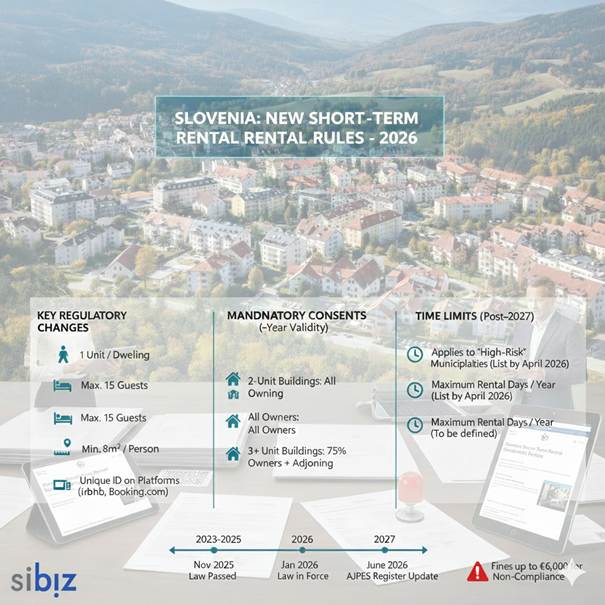
Ensuring Short-Term Rental (Airbnb) Regulation Compliance

Ensuring Short-Term Rental (Airbnb) Regulation Compliance

Ensuring your Airbnb operates legally requires strict adherence to local laws. Learn expert strategies for Short-Term Rental (Airbnb) Regulation Compliance in the US.

Operating a short-term rental, often facilitated by platforms like Airbnb, presents significant opportunities. However, it also demands rigorous attention to local, state, and sometimes federal regulations. From my experience managing properties across various jurisdictions in the US, I’ve learned that overlooking even minor rules can lead to substantial fines, operational shutdowns, or legal disputes. Proactive understanding and adherence to these rules are not merely a recommendation; they are fundamental for sustainable success and protecting your investment. This article will outline key areas and practical approaches to achieving Short-Term Rental (Airbnb) Regulation Compliance.

Overview

  • Short-Term Rental (Airbnb) Regulation Compliance varies significantly by location, requiring thorough local research.
  • Understanding zoning laws, licensing, and permit requirements is the critical first step for any operator.
  • Operational aspects like occupancy limits, noise control, and waste management are frequently regulated.
  • Financial obligations, including specific lodging taxes and income reporting, are distinct from long-term rentals.
  • Safety standards, emergency protocols, and insurance are non-negotiable for protecting guests and property.
  • Staying current with evolving regulations is essential, as local laws can change frequently.
  • Proactive engagement with local authorities and community guidelines fosters a compliant and positive operating environment.

Understanding Local Ordinances for Short-Term Rental (Airbnb) Regulation Compliance

The landscape of short-term rental laws is incredibly diverse, changing from one city to the next, even within the same state. Before listing any property, a crucial first step involves deep research into local ordinances. This means checking municipal websites for specific codes related to transient lodging or short-term rentals. Many cities, for example, categorize short-term rentals differently from traditional hotels or long-term leases, imposing unique restrictions.

Zoning laws are often a primary hurdle. Some areas are strictly residential, prohibiting commercial activities like short-term rentals altogether. Other zones might permit them but with specific conditions. For instance, an owner-occupancy requirement dictates that the host must live on the property for a certain number of days a year. Additionally, many jurisdictions require specific permits or business licenses. These often involve application fees, inspections, and ongoing renewals. Understanding these foundational requirements is paramount for legitimate Short-Term Rental (Airbnb) Regulation Compliance. Ignoring them risks significant penalties and potential legal action.

Operational Best Practices for Short-Term Rental (Airbnb) Regulation Compliance

Beyond initial permits, daily operations must also align with local rules. Common regulations often address aspects like guest occupancy limits. Many cities specify a maximum number of guests per bedroom or per property. Noise ordinances are another frequent point of contention. Implementing quiet hours and clearly communicating these to guests helps prevent neighbor complaints, which can trigger regulatory scrutiny.

Waste management also falls under operational compliance. Local rules often dictate specific days for trash and recycling collection. Hosts must provide adequate bins and ensure guests follow these schedules. Parking is another area that frequently has rules. Some areas restrict street parking for guests or require off-street parking provisions. Developing clear

Read Full News
Strategic Data Center Construction & Site Selection

Strategic Data Center Construction & Site Selection

Expert insights on strategic Data Center Construction & Site Selection. Learn key factors, challenges, and best practices for robust infrastructure. Avoid common pitfalls.

Developing a new data center facility is an intricate undertaking, demanding careful planning and execution. From initial concept to full operation, every decision carries significant implications for long-term reliability, cost-efficiency, and business continuity. My experience in this field shows that success hinges on a meticulous approach to site identification and the subsequent build-out process.

Overview:

  • Strategic Data Center Construction & Site Selection begins with understanding core business needs and future demands.
  • Key site selection factors include power availability, network connectivity, environmental stability, and regulatory environment.
  • Infrastructure design must account for power, cooling, and network resilience to ensure high uptime.
  • Mitigating risks involves thorough due diligence, assessing natural hazards, and understanding local permitting.
  • Future-proofing strategies focus on scalability, energy efficiency, and adaptability to evolving technology loads.
  • The selection process impacts both initial capital expenditure and ongoing operational costs.

Strategic Principles in Data Center Construction & Site Selection

The foundation of any successful data center project lies in its initial strategic planning. We begin by defining the clear objectives: desired capacity, redundancy requirements, and target latency. Identifying the right location is paramount. Key considerations include the availability of stable, affordable power sources, ideally from multiple grids. Access to diverse fiber optic routes is equally vital for low-latency, resilient connectivity. We evaluate land costs, zoning regulations, and local tax incentives, which can vary significantly even within the same state in the US.

Environmental factors weigh heavily in site selection. We assess areas for risks like seismic activity, flood plains, and severe weather patterns. Proximity to potential labor pools and emergency services also impacts operational efficiency. Understanding the geopolitical landscape and local community impact is also critical for long-term project acceptance and stability. This initial phase sets the stage for all subsequent engineering and procurement efforts.

Critical Infrastructure Dependencies

Once a site is selected, the focus shifts to designing resilient infrastructure. Power delivery systems are core to any data center. This includes planning for redundant utility feeds, robust uninterruptible power supplies (UPS), and sufficient generator capacity. Our designs often incorporate N+1 or 2N redundancy to ensure continuous operation even during equipment failures. Cooling infrastructure must support high-density IT loads while maintaining energy efficiency. This involves selecting appropriate cooling technologies, such as air-side economizers or advanced liquid cooling solutions.

Network architecture is another critical component. Diverse entry points for fiber, along with multiple carriers, provide protection against outages. Within the facility, a well-planned cabling infrastructure supports both current and future data traffic demands. Physical security measures, including layered access control, surveillance, and perimeter fencing, are non-negotiable elements. These infrastructure choices directly influence the data center’s uptime guarantees and operational costs.

Mitigating Risks in Data Center Construction & Site Selection

Risk mitigation is embedded throughout the entire lifecycle of Data Center Construction & Site Selection. We conduct extensive due diligence to identify and quantify potential hazards. This includes environmental impact assessments,

Read Full News
Verified Carbon-Negative Travel Itineraries for Impact

Verified Carbon-Negative Travel Itineraries for Impact

Explore verified Carbon-Negative Travel Itineraries built from real experiences. Contribute positively to the planet on your next journey with impactful choices.

Planning a trip with a positive environmental footprint feels achievable, not just aspirational. Having personally engaged with and developed such journeys, I’ve seen firsthand how thoughtful planning can turn travel into a force for good. True carbon-negative travel goes beyond simply reducing emissions; it actively removes more carbon from the atmosphere than it produces. This commitment involves meticulous choices, from transportation and accommodation to local engagement and verified offsetting projects. The goal is to leave a place, and the planet, better than you found it.

Overview

  • Carbon-Negative Travel Itineraries prioritize reducing emissions and investing in verified carbon removal.
  • Authentic itineraries involve selecting sustainable transport, eco-certified lodging, and local, responsible activities.
  • Verification means ensuring carbon offsets are real, additional, and permanent through accredited projects.
  • Travelers can contribute to projects like reforestation, renewable energy, and community-based conservation initiatives.
  • These journeys offer deeply immersive experiences, connecting travelers with local cultures and environmental efforts.
  • Success relies on transparent tracking of emissions and the impact of offset contributions.
  • Such travel options are becoming more accessible, with a growing emphasis on positive global impact.

Crafting Verified Carbon-Negative Travel Itineraries

The foundation of a truly impactful journey lies in its design. From my experience, crafting these itineraries begins with a rigorous audit of every travel component. We start by minimizing emissions at the source. This involves opting for direct flights when air travel is unavoidable, choosing efficient ground transportation like electric trains or buses, and even utilizing shared transfers. Within destinations, local walking tours, cycling, or electric vehicle rentals are preferred.

Accommodation plays a critical role. We seek out hotels, lodges, or guesthouses with recognized eco-certifications. These certifications often signify responsible waste management, water conservation efforts, and renewable energy use. Beyond just a label, we look for tangible commitments, like local sourcing of food and staff. For example, staying at a certified B Corp resort in Costa Rica or a solar-powered cabin in the US Pacific Northwest directly supports businesses aligned with environmental values. This selective process ensures every element of the itinerary actively contributes to emission reduction, setting the stage for net-positive impact.

Implementing Impactful Carbon-Negative Travel Itineraries

Putting these carefully planned itineraries into action requires a sustained focus on mindful consumption and active participation. It’s not enough to book an eco-friendly hotel; travelers must also engage with its sustainable practices. This means reusing towels, conserving water, and supporting local economies through ethical purchasing. Our itineraries often include immersive activities that directly benefit local communities and ecosystems.

Think about participating in a beach cleanup project in the Caribbean, volunteering at a wildlife sanctuary, or contributing to a reforestation effort in the Amazon. These activities provide a deeper connection to the destination and reinforce the carbon-negative ethos. We also meticulously calculate the remaining carbon footprint after all reduction efforts. This residual footprint is then offset through certified projects. These projects must meet stringent international standards, guaranteeing

Read Full News
Trusted renewable energy storage solutions manufacturers

Trusted renewable energy storage solutions manufacturers

Identifying leading renewable energy storage solutions manufacturers is key. We examine top industry players, their innovations, and their impact on the global energy transition.

My work in the renewable energy sector has shown me that reliable energy storage is the linchpin for a stable, decarbonized grid. Without effective ways to store power from intermittent sources like solar and wind, their full potential remains untapped. This is where renewable energy storage solutions manufacturers come into play, offering the crucial technologies that bridge the gap between generation and demand. Their innovations are not just about batteries; they encompass entire systems designed for resilience and efficiency.

Overview

  • Reliable energy storage is essential for integrating intermittent renewable power sources into the grid.
  • Renewable energy storage solutions manufacturers provide critical technologies beyond just batteries, focusing on entire system designs.
  • Lithium-ion batteries currently dominate the market, but other technologies are gaining traction for long-duration needs.
  • Key manufacturers are prioritizing safety, modularity, and scalability in their product offerings.
  • The selection of an energy storage system depends on specific project requirements, including duration and power output.
  • Flow batteries and mechanical storage systems offer promising alternatives for diverse applications.
  • The US market is a significant hub for innovation and deployment in renewable energy storage.
  • Future developments will likely focus on cost reduction, increased energy density, and supply chain improvements.

The Evolving Landscape of renewable energy storage solutions manufacturers

The energy storage market is dynamic, reflecting rapid advancements in materials science and power electronics. From my experience, what was cutting-edge yesterday can be standard practice today. Most projects still lean heavily on lithium-ion technology, primarily due to its energy density and decreasing costs. However, project developers are increasingly seeking alternatives for specific applications, especially those requiring very long discharge durations. This pushes manufacturers to diversify their offerings and research.

Companies operating as renewable energy storage solutions manufacturers are not just selling cells. They provide integrated systems, including battery management systems (BMS), power conversion systems (PCS), and sophisticated software controls. These elements ensure safe, optimal performance and grid integration. Many are focused on creating modular units that can be scaled easily, simplifying deployment for various project sizes. The competitive landscape constantly shifts with new entrants and technology breakthroughs challenging established players.

Key Technologies Driving renewable energy storage solutions manufacturers

While lithium-ion batteries remain prominent, other technologies are maturing quickly. Flow batteries, for example, separate power and energy components, allowing for longer discharge durations at a potentially lower cost per kilowatt-hour. Vanadium redox flow batteries (VRFB) are a notable example, offering impressive cycle life and safety. Compressed air energy storage (CAES) and liquid air energy storage (LAES) represent mechanical approaches, suitable for large-scale, grid-level applications that need hours or even days of storage.

These alternative storage technologies present unique advantages, influencing the offerings of various renewable energy storage solutions manufacturers. For instance, some companies specialize in grid-scale flow battery solutions, while others might focus on hybrid systems combining different battery chemistries. The choice of technology depends heavily on the project’s specific

Read Full News
Is Smile makeover Melbourne worth the cost

Is Smile makeover Melbourne worth the cost

The question of whether a Smile makeover Melbourne is truly worth the financial commitment is one many individuals grapple with. From years of observing patient journeys and speaking with dental professionals across the city, it’s clear this isn’t a simple yes or no answer. It’s a deeply personal investment, weighing the immediate financial outlay against long-term benefits to self-esteem, oral health, and overall quality of life. The value isn’t just in the aesthetics but in the profound impact a healthy, confident smile can have on daily interactions and personal well-being.

Overview

  • A Smile makeover Melbourne involves a significant financial investment, with costs varying based on individual needs and chosen treatments.
  • The “worth” extends beyond just visual improvements, encompassing crucial benefits for oral health and personal confidence.
  • Factors like the dentist’s expertise, the technology used, and the quality of materials heavily influence the overall cost and outcome.
  • Many clinics in Melbourne offer various financing options and payment plans, making the investment more manageable for patients.
  • Thorough research, multiple consultations, and clear communication with dental professionals are essential steps in assessing the value proposition.
  • Ultimately, the decision rests on a careful evaluation of personal goals, budget, and the long-term returns on well-being and function.

Understanding the Investment Behind a Smile Makeover Melbourne

When people inquire about the cost of a Smile makeover Melbourne, they often focus solely on the price tag without understanding what goes into it. A smile makeover isn’t a single procedure; it’s a tailored treatment plan, a blend of various dental services like veneers, crowns, teeth whitening, orthodontics, gum contouring, or even dental implants. Each component demands a specific skill set, advanced materials, and precise execution. The expertise of the cosmetic dentist plays a crucial role; a highly experienced practitioner often commands a higher fee, reflecting their extensive training, artistic eye, and proven track record. Furthermore, the technology utilised, such as digital smile design, intraoral scanners, and advanced imaging, contributes to both the accuracy of the outcome and the overall cost. High-quality materials, like custom porcelain veneers or durable ceramic crowns, also represent a significant portion of the investment. These materials are chosen for their longevity, natural appearance, and biocompatibility, ensuring not just beauty but also function and health. Every patient’s journey is unique, meaning the cost is entirely bespoke, directly correlating with the complexity and extent of the required work.

The Tangible and Intangible Returns of a Smile Makeover Melbourne

Evaluating the worth of a Smile makeover Melbourne requires looking beyond the immediate financial aspect to the returns it offers. Tangibly, many makeovers correct underlying dental issues. Misaligned teeth can lead to uneven wear and tear, while missing teeth can cause bone loss and affect chewing efficiency. A makeover often addresses these functional problems, leading to improved bite, easier chewing, and better overall oral hygiene, which can prevent future, more costly dental problems. Intangibly, the impact on a person’s life is often profound. Patients frequently report a dramatic increase in self-confidence. This newfound assurance often translates into

Read Full News
How to Make Your Carpet Look Professionally Clean

How to Make Your Carpet Look Professionally Clean

Carpets are a big deal when it comes to setting the ambience of your home, and getting them to look professionally cleaned can change the feel of an entire room, so it’s well worth doing it and learning how.

Here are some simple yet effective DIY tips to help you clean your carpet like a pro and keep your home looking fresh without too much effort or breaking the bank.

Regular Vacuuming

There’s no way around it–if you wanna keep your carpet clean, just vacuum it regularly. It’s the most effective way not only to keep it looking nice but also to make it last longer.

A good vacuum with strong suction and different attachments is best because it will help you clean all sorts of carpet types and even tricky corners where dust and allergens hide. If your carpet’s in a high-traffic area, try to vacuum it twice a week, and if not, once is enough.

This simple habit doesn’t just keep things neat, but it also cuts down on allergens, especially useful if you have allergies, as it will help make your home a healthier place.

Pre-Treating Stains

Dealing with any type of accident right away is really important to prevent them from sticking around forever and ruining your carpet.

So, if you spill juice on it, for example, it might seem like the end of the world, but acting fast and in the correct way can and most often will save the day. It can even spare you paying for a professional stain removal procedure, so acting fast is really your best bet.

Stains can really settle in after just five minutes, so it’s handy to have some quick fixes ready to go. And remember the golden rule: blot, never rub, as the latter can set in the stain and make it a permanent feature.

Select the Right Cleaning Solution For Your Type of Carpet

Synthetic carpets like nylon or polyester are quite durable, which is precisely why they’re so popular. They’re also known to be quite stain-resistant, so you might breathe a little easier knowing your carpet’s ready for any accidents.

But, here’s the thing—when it comes to cleaning them, you’ll want to be a bit choosy and stick to products specifically made for synthetic rugs. That’s because synthetics have the annoying habit of soaking up oil and grease like a sponge, so a cleaner that tackles these is a must.

A mix of a cup of clear detergent (make sure it’s free of bleach or brighteners) with about a gallon of warm water should be enough to do the job and tackle even the grimiest carpets.

However, before you start, it might help to test your cleaner on a hidden spot, just to be safe.

The good thing is that synthetic carpets dry pretty quickly, so you won’t have to tiptoe around the house all day.

If your carpet’s made of materials like wool, it’s a whole different story. Natural fibres don’t take kindly to …

Read Full News

Layering Curtains With Roman Shades

Layering curtains with roman shades is one of the most versatile and timeless window treatment combinations. It blends structure and softness, giving you both functional light control and an elevated, designer look.

Roman shades provide tailored coverage, while curtains add movement, height, and visual warmth. Together, they create depth that a single treatment simply can’t achieve.

Why This Combination Works

Custom roman shades sit neatly within or just above the window frame, offering precise light control and privacy. Curtains, mounted wider and higher, frame the window and soften the room’s architectural lines.

The contrast between the structured folds of a roman shade and the fluid drape of curtains creates balance. It feels layered but not cluttered.

Start With the Right Roman Shade Style

Not all Roman shades create the same effect.

  • Flat Roman shades offer a clean, modern look with minimal bulk.
  • Relaxed Roman shades have a gentle curve at the bottom, adding softness.
  • Pleated or classic styles create more traditional structure.

In contemporary homes, flat styles often pair best with simple curtain panels. In transitional or traditional spaces, or cottagecore decor homes, relaxed styles complement textured drapery beautifully.

Choose Complementary Fabrics

Fabric coordination is key to successful layering.

If your roman shade features pattern, keep curtains solid and understated. If the shade is neutral and textured (like linen), curtains can introduce subtle pattern or a deeper tone.

Tone-on-tone combinations — such as ivory shades with warm beige curtains — create depth without overwhelming the space.

Avoid heavy fabrics for both layers. If the shade is thick or lined, opt for lighter curtain panels to maintain balance.

Hang Curtains High and Wide

To maximise visual impact, mount curtain rods several inches above the window frame — or closer to the ceiling — and extend them beyond the window width.

This allows curtains to stack neatly at the sides when open, keeping the roman shade fully visible and maximising natural light.

This technique also makes ceilings appear taller and windows feel larger.

Consider Function First

Think about how you use the room.

In bedrooms, pair blackout-lined roman shades with decorative custom curtains for added insulation and softness.

In living rooms, light-filtering shades allow daylight to pass through while curtains add elegance in the evening when closed.

Each layer should serve a clear purpose.

Coordinate Hardware and Mounting

If your roman shade is inside-mounted, curtains should be outside-mounted to avoid crowding the window.

Double rods are typically unnecessary since roman shades operate independently. A single rod installed above the shade usually works best.

Choose hardware finishes that complement your room’s overall aesthetic — matte black for modern interiors, brushed brass for warmer, transitional spaces.

Keep Proportions Balanced

Curtains should be full enough to look luxurious when closed but not so heavy that they overpower the tailored look of the roman shade.

Panels that gently skim the floor create a refined finish. Excess pooling can compete with the clean lines of the shade unless the design style calls for drama.

Final Thoughts

Layering …

Read Full News
Simple eco-friendly driving habits to save on fuel?

Simple eco-friendly driving habits to save on fuel?

Adopting eco-friendly driving habits is a practical way for anyone to reduce their fuel consumption, save money, and lessen their environmental impact. By making small adjustments to how we operate our vehicles and maintain them, we can contribute positively to our wallets and the planet. These simple changes don’t require expensive upgrades; they focus on smarter choices behind the wheel, making everyday commutes and road trips more efficient and sustainable.

Overview:

  • Smooth acceleration and gradual braking significantly reduce fuel waste.
  • Maintaining correct tire pressure is crucial for optimal fuel economy and safety.
  • Regular vehicle maintenance, like oil changes and air filter replacements, keeps engines running efficiently.
  • Planning routes and combining errands minimizes unnecessary driving and reduces idle time.
  • Removing excess weight from your vehicle improves fuel efficiency.
  • Adhering to posted speed limits, especially on highways, prevents excessive fuel consumption.
  • Anticipating traffic flow helps avoid sudden stops and starts, saving fuel and reducing wear and tear.

Mastering Smooth Driving: A Core Eco-Friendly Driving Habit

One of the most impactful eco-friendly driving habits you can adopt is to drive smoothly. This means avoiding aggressive acceleration and hard braking. When you press the gas pedal gently, your engine works less strenuously, consuming less fuel. Similarly, anticipating stops and slowing down gradually, rather than slamming on the brakes, uses the car’s momentum more effectively and prevents wasting the energy you just used to accelerate. Think of it as riding a wave rather than fighting against it. Rapid changes in speed, often seen in stop-and-go traffic, force your engine to work harder, burning more gasoline or diesel. Studies show that aggressive driving can lower your gas mileage by 15% to 30% at highway speeds and 10% to 40% in stop-and-go traffic. By maintaining a consistent speed and looking ahead to anticipate traffic lights or slowing vehicles, you can significantly reduce your fuel usage and make your journeys more comfortable.

Maintaining Your Vehicle for Optimal Eco-Friendly Driving Habits

Proper vehicle maintenance is not just about reliability; it’s a fundamental part of practicing eco-friendly driving habits. A well-maintained car runs more efficiently, translating directly into fuel savings and lower emissions. The most critical aspect is tire pressure. Underinflated tires increase rolling resistance, forcing the engine to work harder and consume more fuel. Checking your tire pressure monthly, and ensuring it matches the manufacturer’s recommended psi (found on a sticker inside your driver’s side door or in your owner’s manual), can improve your gas mileage by up to 3%. This seemingly minor detail can add up to substantial savings over time. Beyond tires, regular oil changes, air filter replacements, and spark plug checks all contribute to engine health. A dirty air filter, for example, can reduce your fuel efficiency by up to 10% because it restricts airflow to the engine, making it less efficient. Keeping your engine in tune ensures all components are working as intended, preventing unnecessary fuel waste and reducing harmful pollutants released into the air.

Strategic Planning and Reducing Unnecessary Trips: Essential Eco-Friendly Driving

Read Full News
How to generate good upsell product suggestions?

How to generate good upsell product suggestions?

Generating good upsell product suggestions is a critical skill for any business aiming to maximize customer value and increase revenue. Instead of merely selling more items, effective upselling focuses on offering products or services that genuinely enhance a customer’s original purchase, making their experience better or more complete. This approach not only boosts your average transaction value but also strengthens customer loyalty by demonstrating a deeper understanding of their needs and desires. The key lies in moving beyond generic add-ons to highly relevant, value-driven recommendations that resonate with individual buyers.

Overview

  • Good upsells genuinely add value to a customer’s initial purchase.
  • Understanding customer behavior, purchase history, and demographics is fundamental.
  • Leveraging data analytics and AI-powered recommendation engines significantly improves suggestion accuracy.
  • Strategic timing and placement are crucial for presenting upsell product suggestions effectively.
  • Personalization ensures recommendations feel relevant and not pushy.
  • Continuously measuring performance and A/B testing helps refine and optimize upsell strategies.
  • Focus on how the upsell solves a problem or improves a customer’s experience.

Understanding Your Customers for Better Upsell Product Suggestions

The foundation of any successful upsell strategy lies in a deep understanding of your customer base. It’s not about pushing expensive items; it’s about anticipating needs and offering solutions that complement their primary purchase. Begin by segmenting your customers based on demographics, past purchase history, browsing behavior, and engagement patterns. For instance, a customer who just bought a new smartphone might be interested in a durable case, screen protectors, or a fast-charging power bank, rather than a second phone.

Analyze their buying journey: What led them to their initial purchase? What problems were they trying to solve? Good upsell product suggestions address these underlying needs or offer an improved version of the solution. If someone buys a basic software subscription, an upsell could be a premium version with advanced features that directly address common limitations of the basic plan, making their work more efficient. Knowing your customer allows you to move from generic recommendations to hyper-relevant offerings that truly resonate. This insight is what drives repeat business and positive word-of-mouth.

Leveraging Data and Technology for Accurate Upsell Product Suggestions

In today’s digital landscape, data is your most powerful ally in generating good upsell product suggestions. Businesses in the US and globally are increasingly adopting sophisticated tools like CRM systems, AI-powered recommendation engines, and machine learning algorithms to process vast amounts of customer data. These technologies can analyze purchase patterns, browse history, product views, and even the time spent on certain pages to predict what a customer might need next or what might enhance their current purchase.

Recommendation engines, for example, use techniques like collaborative filtering (suggesting products based on what similar customers have bought) and content-based filtering (suggesting products similar to what the customer has previously shown interest in). This allows for dynamic, personalized suggestions that appear highly relevant. A customer viewing a high-performance camera might be shown compatible lenses, tripods, or photography courses. By automating this analysis, businesses can scale their upsell efforts, ensuring

Read Full News