


Key Takeaways
- Seasonal checks can reveal small vehicle problems before they affect safety or reliability.
- Tires, fluids, brakes, batteries, lights, belts, hoses, and wipers need attention throughout the year.
- Spring and fall are useful times for a more detailed inspection because weather conditions change.
- Owner’s manual recommendations should guide mileage-based maintenance and correct fluid types.
- Leaks, smoke, warning lights, unusual sounds, poor braking, and steering changes should not be ignored.
- A brief pre-trip inspection can help reduce roadside trouble during busy travel periods.
A seasonal car care calendar gives drivers a practical way to notice wear before it becomes a breakdown, a safety issue, or an expensive surprise. Routine checks can cover many basics, while concerns such as brake vibration, overheating, leaks, or warning lights may call for auto repair from a qualified technician.
Weather, mileage, road conditions, and driving habits all affect how a vehicle ages. Summer heat can challenge the cooling system and battery, while winter cold can lower tire pressure and make weak batteries harder to start. Seasonal attention supports, but does not replace, the maintenance intervals and fluid specifications in the owner’s manual.
Why a Seasonal Car Care Plan Helps
Vehicles face different stresses as conditions change. Road salt, potholes, standing water, high temperatures, stop-and-go traffic, and heavy cargo can all contribute to gradual wear. A simple calendar makes it easier to check the systems most likely to be affected before a change in season or a long drive.
Drivers who prefer a second opinion or need testing beyond a visual check may decide that an auto repair shop is appropriate for concerns involving braking, alignment, charging, cooling, or engine performance. The goal is not to fix every issue at home, but to recognize when normal maintenance has become a repair need.
Spring: Clean Up Winter Wear
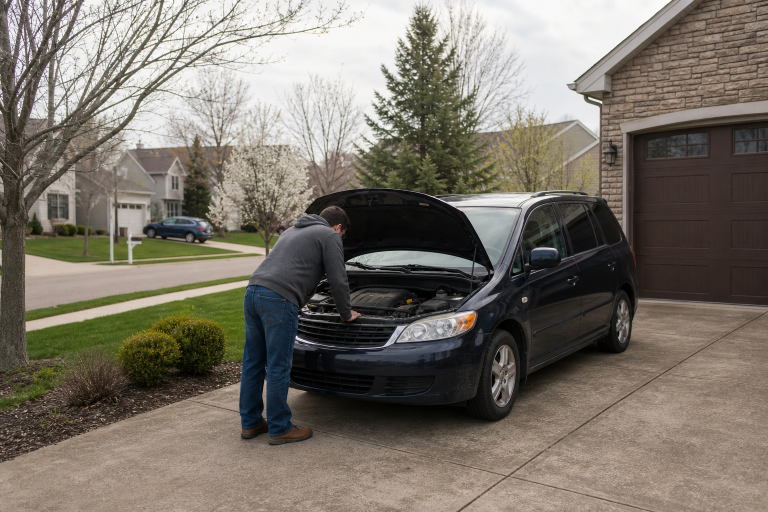
Spring is a sensible time to look for the effects of cold weather, wet roads, potholes, and de-icing materials. Start by washing the exterior, wheel wells, and underside when possible. Removing built-up grime can make it easier to spot loose panels, damaged splash shields, rust, or fresh fluid drips.
- Check tire pressure, tread, and sidewalls for cuts, bulges, or uneven wear.
- Listen for brake squealing, grinding, vibration, or pulling during normal stops.
- Inspect battery terminals for visible corrosion and make sure connections appear secure.
- Check engine oil, coolant, brake fluid, and washer fluid according to the owner’s manual.
- Replace wiper blades that streak, chatter, split, or leave missed areas on the windshield.
- Test headlights, brake lights, turn signals, and reverse lights.
Tires deserve particular attention after winter roads and potholes. The National Highway Traffic Safety Administration recommends checking pressure, treadwear, and visible damage at least monthly, including the spare tire. Its guidance also explains that pressure should be measured when tires are cold and based on the vehicle placard or owner’s manual, not the maximum number printed on the tire sidewall.
Summer: Prepare for Heat and Road Trips
High temperatures place added demands on cooling systems, batteries, tires, and air conditioning. Before a summer road trip, inspect the vehicle when the engine is cool. Look at the coolant level and visible hoses for cracking, swelling, softness, or leaks. A sweet smell, repeated overheating, or a rising temperature gauge should be addressed promptly.
A 15-Minute Pre-Trip Check
- Measure tire pressure and inspect tread, sidewalls, and the spare.
- Check engine oil, coolant, and washer fluid as directed by the manual.
- Confirm that headlights, brake lights, turn signals, and hazard lights work.
- Test wipers, air conditioning, and windshield washers.
- Pay attention to brake feel, steering response, and new noises during a short drive.
- Carry a tire gauge, phone charger, water, flashlight, and basic emergency supplies.
Fall: Get Ready for Shorter Days and Cooler Weather
Fall is a useful transition point because rain, earlier sunsets, fog, and colder mornings make visibility and traction especially important. Clean the windshield inside and out, check exterior lights, and replace worn wipers before heavy rain becomes routine. Cloudy headlight lenses can also reduce useful light output and should be evaluated.
Check tire tread depth and look for uneven wear across each tire. Uneven wear can point to pressure problems, worn suspension parts, or an alignment issue. Test the heater, defroster, and blower fan before the first cold morning. This is also a good time to inspect accessible belts and hoses for fraying, cracks, or leaks.
Winter: Protect the Battery, Tires, and Visibility
Cold weather can make an aging battery less effective, reduce tire pressure, and create visibility problems from snow, ice, and road spray. Drivers in colder regions should check battery condition before winter, keep washer fluid rated for expected temperatures, and make sure tires have adequate tread for local conditions. Never use hot water to clear ice from cold vehicle glass because the temperature change can damage it.
A winter emergency kit can include a flashlight, phone charger, jumper cables, gloves, blankets, water, first-aid supplies, a scraper, and a tire pressure gauge. The National Weather Service also advises stocking your vehicle with a winter supply kit before severe weather is expected.
Checks to Complete in Every Season
Some items should not wait for a calendar reminder. Complete these checks monthly, before long drives, and whenever the vehicle feels different:
- Look beneath the vehicle for fresh spots, puddles, or dripping fluid.
- Watch for dashboard warning lights and note whether any light flashes.
- Listen for clicking, squealing, rattling, grinding, or humming sounds.
- Notice changes in steering, braking distance, acceleration, or shifting.
- Check tire pressure and examine tires after a hard pothole impact or curb strike.
Warning Signs That Need Prompt Attention
A flashing check engine light, smoke from under the hood, severe overheating, loss of braking power, a strong burning smell, or a tire bulge should be treated as a safety concern. Stop driving when it is safe to do so and arrange appropriate assistance. Less urgent concerns, such as a mild rattle or a single worn wiper blade, can often be scheduled soon, but they should still be documented and monitored.
How to Build a Personal Maintenance Calendar
- Read the owner’s manual and record the current date and mileage.
- List upcoming mileage-based services, such as oil changes, rotations, and inspections.
- Add spring and fall reminders for a broader visual inspection.
- Set an extra reminder before major trips, towing, or severe weather seasons.
- Save receipts, inspection notes, and repair records in one place.
When a Professional Inspection Makes Sense
Many vehicle concerns require equipment or training beyond a driveway check. Brake measurements, battery load tests, alignment checks, cooling-system pressure tests, diagnostic scans, and suspension inspections can help identify the actual cause of a symptom. Ask for a clear explanation of the problem, the urgency of the recommendation, and what may happen if the repair is delayed.
Conclusion
A seasonal car care calendar turns maintenance into a manageable habit rather than a last-minute response to trouble. Checking tires, fluids, lights, wipers, brakes, battery condition, belts, and hoses throughout 2026 can help drivers catch changes early. Follow the owner’s manual, take warning signs seriously, and adjust the routine for local weather and how often the vehicle is driven.


