


In Cypress, Texas, a vehicle can face punishing sun, hot pavement, sudden rain, pollen, insect residue, and highway debris in a single week. Building the right protection plan starts with how and where the vehicle is driven. For owners considering ceramic coating for cars in Cypress, TX, it helps to understand how coating, window tint, paint protection film, and regular detailing each address a different concern.
A daily commuter traveling toward Houston may prioritize cabin comfort and glare reduction, while a newer SUV that regularly sees Grand Parkway or Highway 290 traffic may need stronger defense on forward-facing paint. There is no one-size-fits-all upgrade. The best approach balances comfort, appearance, maintenance needs, vehicle age, parking conditions, and budget.
Why Vehicle Protection Matters in Cypress
Cypress drivers know that outdoor parking can heat a cabin quickly, while construction activity and busy regional roads can expose paint to grit, gravel, tar, and light scuffs. Humidity, tree sap, bird droppings, and seasonal pollen also make neglected surfaces harder to clean. Protection is most useful when it is chosen for a specific job rather than treated as a cure-all.
Searching for automotive ceramic coating near me can be a good first step for owners who want a glossier finish and easier wash routine, but coating is only one layer of a complete strategy. Tint supports the cabin, paint protection film helps absorb road wear, and detailing removes contamination before it becomes a bigger problem.
What Window Tint Can and Cannot Do
Window tint is primarily a cabin-comfort and interior-preservation upgrade. Visible light transmission, often called VLT, describes how much visible light passes through the combined glass and film. A lower percentage appears darker, but darkness alone does not determine heat rejection. Film technology, construction, and the factory glass all affect performance.
Benefits that matter during a Cypress summer
- Heat and glare management: Quality film can make bright afternoon drives more comfortable and reduce glare on long commutes.
- UV exposure reduction: Film can help limit UV exposure inside the cabin, which may support the condition of upholstery, trim, and other interior surfaces.
- Privacy: A legal shade can make belongings less visible, although it should never replace sensible vehicle security practices.
- Interior comfort: Less intense sunlight can make the steering wheel, seats, and dashboard more pleasant after outdoor parking.
Dyed film is commonly selected for appearance and affordability. Carbon film generally offers improved color stability and heat control, while ceramic film is often chosen for higher heat rejection without requiring the darkest look. Poor installation may show up as bubbles, trapped dust, uneven edges, peeling, or purple discoloration over time.
Texas Window Tint Rules to Check First
Before choosing a shade, review the current Texas window-tint standards and ask the installer to measure the factory glass and film together. Texas rules address light transmission, reflectance, windshield placement, medical exceptions, and the required compliance label. The front side windows generally must meet the 25 percent light-transmission threshold when measured with the original glass.
Texas ended the annual non-commercial vehicle safety inspection requirement on January 1, 2025, but that change did not erase window-tint laws. Drivers should still choose compliant film, retain relevant medical documentation when applicable, and ensure the required label is installed correctly.
When Paint Protection Film Makes Sense
Paint protection film, often called PPF, is a clear urethane film designed to take the first hit from routine road hazards. It is especially useful for drivers who encounter loose gravel, insects, road grit, and frequent highway mileage between Cypress, Katy, Tomball, and Houston. Vehicle price matters, but miles driven and road conditions often matter more.
High-risk areas commonly include the front bumper, hood, front fenders, mirrors, rocker panels, door edges, and cargo-loading areas. Partial-front coverage can be a practical option for a commuter, while broader coverage may suit a new vehicle or an owner focused on preserving a near-new finish. PPF can reduce damage from light impacts and scuffs, but it cannot prevent every dent, deep scrape, or collision mark.
Where Ceramic Coating Fits
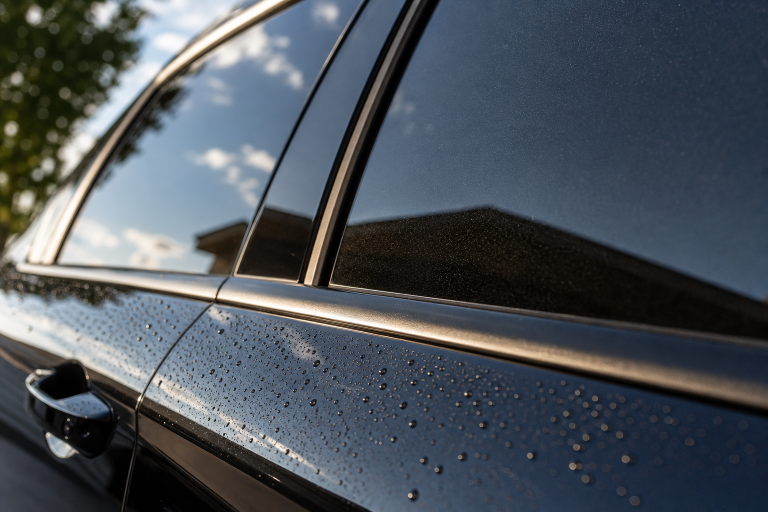
Ceramic coating is a surface treatment that can add gloss, improve water behavior, and make routine washing easier. It can help paint resist some chemical contamination and make it less likely that ordinary grime clings stubbornly to the finish. Many products may also be suitable for wheels, trim, or glass when used according to their instructions.
Coating is not a physical impact shield. It will not stop rock chips, hide deep scratches, repair oxidation, or correct poor paint. Proper washing, decontamination, and paint correction should happen before application when needed. Compared with traditional waxes and sealants, coatings can offer longer-lasting protection, but they still require careful maintenance.
Comparing Your Options Without the Hype
- Choose window tint when the main goal is heat control, glare reduction, privacy, and UV management inside the vehicle.
- Choose PPF when the main concern is physical paint damage from gravel, bugs, road debris, and light scuffs.
- Choose ceramic coating when easier cleaning, water repellency, and a polished appearance are the priorities.
- Combine services when the vehicle is regularly driven, parked outdoors, or expected to retain a well-kept appearance for years.
Matching Protection to Driving Habits
- Short local trips: Legal tint and a consistent wash routine may cover the most important needs.
- Long highway commutes: Heat-rejecting tint plus front-end PPF can be a sensible combination.
- New vehicles: Consider PPF before chips accumulate, then add coating for simpler upkeep.
- Outdoor parking: Focus on cabin heat, UV exposure, prompt contaminant removal, and regular washing.
- Work trucks and family SUVs: Give extra attention to rocker panels, door edges, bumpers, and cargo areas.
Questions to Ask Before Installation
- Which product will be used, and what performance specifications are available?
- How will the paint, glass, and trim be cleaned and prepared?
- Will installation take place in a clean indoor work area?
- How are cameras, sensors, edges, and complex trim pieces handled?
- What does the written warranty cover, and what care methods could affect it?
- What is the process if lifting, dust contamination, bubbles, or uneven curing appear?
A Simple Care Plan for Cypress Vehicle Owners
Wash bird droppings, sap, insect buildup, and road film promptly, especially after humid or rainy stretches. Use clean microfiber towels, gentle wash tools, and safe drying methods instead of aggressive scrubbing. Follow cure-time instructions after new film or coating work, avoid automatic brush washes during the early curing period, and inspect film edges every few months.
For homes and offices, architectural window film is a separate product category from automotive tint. The way glass manages daylight and solar heat gain is also important in buildings, as explained through information about window technologies that control solar heat gain. Automotive film should always be selected and installed for vehicle-specific use.
Final Takeaway
For Cypress vehicle owners, the best protection plan begins with everyday reality. Window tint supports comfort in Texas heat. PPF helps defend vulnerable paint from road wear. Ceramic coating makes exterior care easier and helps maintain a cleaner-looking finish. Choose the services that solve the problems your vehicle actually faces, then protect that investment with consistent maintenance.


