

How is building project evaluation done?
Learn how building project evaluation is performed, from setting objectives to data analysis and reporting. Understand key stages and methods for effective project assessment.

Evaluating a building project is a critical process designed to assess its effectiveness, efficiency, relevance, and overall impact. It moves beyond simply checking if a structure was built, delving into whether it met its intended goals, stayed within budget, adhered to timelines, and provided value to its stakeholders. This systematic review is essential for accountability, learning, and informing future construction endeavors. It helps organizations, clients, and investors understand what worked well, what didn’t, and why, fostering continuous improvement in the complex world of construction and development.
Overview
- Building project evaluation begins with clearly defining the project’s objectives and the specific criteria for success.
- It involves collecting various types of data throughout different project phases, including financial records, progress reports, and stakeholder feedback.
- Evaluations can occur at multiple stages: before (ex-ante), during (formative), or after (ex-post) project completion.
- Data analysis compares actual project performance against planned targets, considering budget, schedule, quality, and user satisfaction.
- Findings from the evaluation are synthesized into reports, offering actionable insights and recommendations for future projects and policy.
- Key stakeholders, including clients, investors, project managers, and end-users, play a vital role in providing input and utilizing evaluation outcomes.
- Regulatory compliance and industry standards, particularly in regions like the US, are often integral components of the evaluation framework.
Defining Objectives and Criteria for Building Project Evaluation
The first step in any robust building project evaluation is to establish what success looks like. This involves clearly articulating the project’s original objectives. Were they to construct a new office building, renovate a historical landmark, or develop affordable housing? Once these objectives are clear, specific evaluation criteria must be developed. These criteria act as benchmarks against which the project’s performance will be measured. Common criteria include adherence to budget, completion within the scheduled timeline, quality of construction (materials, workmanship, durability), functionality (does it serve its intended purpose?), safety compliance, environmental impact, and stakeholder satisfaction. For example, a commercial office building evaluation might focus heavily on return on investment and tenant satisfaction, while a public infrastructure project might prioritize community benefit and long-term sustainability. Without well-defined objectives and measurable criteria, any assessment would lack a clear framework and objective basis for judgment.
Key Phases and Data Collection in Building Project Evaluation
Building project evaluation is not a single event but an ongoing process that can span various phases of a project lifecycle.
- Pre-construction (Ex-ante) Evaluation: This phase involves assessing the project’s feasibility, viability, and potential risks before construction begins. It examines the initial plans, designs, financial projections, and environmental impact assessments to ensure the project is well-conceived and justified. Data collected here might include market research, cost-benefit analyses, and regulatory reviews.
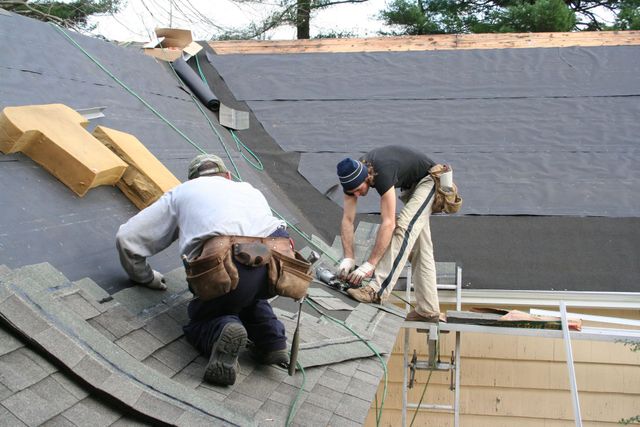
- During Construction (Formative) Evaluation: Ongoing monitoring and evaluation occur throughout the construction phase. This helps identify issues early, allowing for corrective actions to keep the project on track. Data collection here is continuous and includes progress



:max_bytes(150000):strip_icc()/best-vegan-restaurants-by-state-colorado-gold-leaf-collective-FT-SS1017-18402fc85cd8465ca57135fa0652cac2.jpg)