


Table Of Contents
- Why Prevention Works Better Than Last-Minute Treatment
- Start With A Simple Home Inspection
- Kitchen Pest Prevention
- Bathroom And Laundry Room Checks
- Bedrooms And Living Areas
- Basement, Attic, And Garage Protection
- Outdoor Areas That Attract Pests
- A Seasonal Prevention Plan
- Safe Product Use And Smart Pest Control
- When To Ask For Professional Help
- Conclusion
Keeping common pests outside starts with more than treating visible insects or rodents. Different rooms provide different sources of food, water, warmth, and shelter, so prevention works best when homeowners inspect each area for conditions that could invite unwanted activity. Kitchens, bathrooms, bedrooms, garages, basements, and attics all have specific risk points worth checking regularly.
A room-by-room approach makes pest prevention easier to manage because small problems can be addressed before they become widespread. Sealing gaps, fixing leaks, properly storing food, reducing clutter, and checking windows and doors can strengthen the home’s defenses. When recurring activity requires additional attention, homeowners can turn to unitedpestsolutions.com for professional pest management guidance. Combining routine household maintenance with targeted pest prevention can help reduce entry points and make indoor spaces less attractive to common household pests.
Why Prevention Works Better Than Last-Minute Treatment
Pests typically enter a home because it offers a reliable resource. Ants seek food and water, cockroaches favor moisture and hiding places, and rodents look for warmth, nesting material, and an easy meal. Regular prevention interrupts those needs early. The integrated pest management approach emphasizes identifying pests, monitoring activity, preventing conditions that support them, and using targeted control only when needed.
Start With A Simple Home Inspection
Set aside 20 minutes once a month for a quick indoor and outdoor inspection. Walk the foundation and check for cracks, loose siding, gaps around pipes, damaged screens, and worn door sweeps. Inside, look beneath sinks, behind appliances, and along baseboards for droppings, shed skins, gnaw marks, nests, or damaged food packages. Take photos of questionable spots so changes are easier to notice later.
Kitchen Pest Prevention
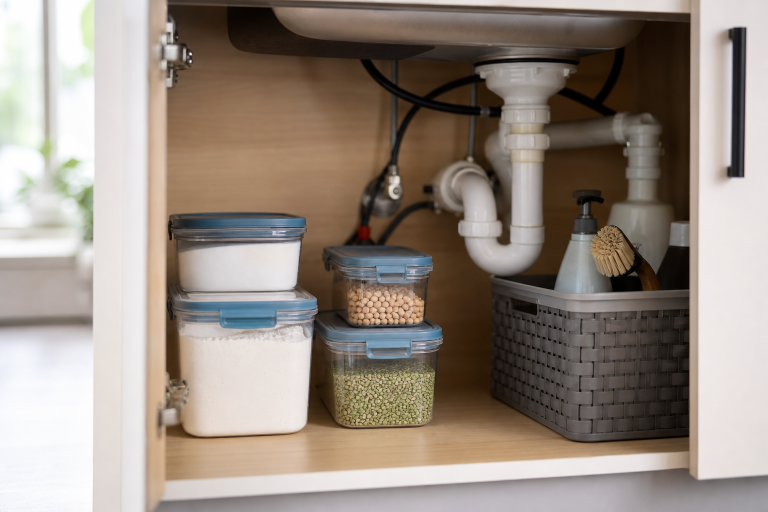
Kitchens attract pests because food, water, and warmth are often close together. Store cereal, flour, pet food, and snacks in sealed containers. Wipe counters after preparing meals, sweep crumbs off the floor, and clean beneath the toaster, refrigerator, stove, and other small appliances. Empty trash before odors build up, and rinse food containers before placing them in recycling.
Also, check under the sink. Even a small plumbing leak can introduce moisture, while the dark cabinet provides shelter. Repair leaks promptly, dry the cabinet base, and avoid leaving pet food bowls out overnight if pests have been active.
Bathroom And Laundry Room Checks
Moisture-prone rooms deserve extra attention. Repair dripping faucets, slow-draining leaks, and loose caulk around tubs, sinks, and toilets. Run the bathroom fan during and after showers, dry wet floors and bath mats, and avoid leaving damp towels or clothing in piles. In the laundry area, check appliance hoses, floor drains, and the space behind the washer for lint, water, or mildew.
Bedrooms And Living Areas
Clutter can create unnoticed hiding places, especially when cardboard, paper bags, and unused belongings accumulate near walls. Vacuum along baseboards, beneath furniture, inside closets, and under beds. Store seasonal clothing and blankets in sealed bins rather than loose boxes. After travel, inspect luggage before bringing it into bedrooms, and wash or dry secondhand fabrics before storing or using them.
Basement, Attic, And Garage Protection
Rarely visited spaces can develop problems before anyone sees them. Inspect attic rafters, insulation, vents, and roof lines for moisture or animal activity. In basements, look for damp foundation walls, condensation, and stored items resting directly against walls. Use durable plastic containers when practical, keep garage doors closed when not in use, and move firewood, lumber, and outdoor supplies away from the house.
Outdoor Areas That Attract Pests
The most effective pest barrier often starts in the yard. Trim branches and shrubs away from exterior walls and the roof. Clear leaves, grass clippings, and dense debris from the foundation area, and keep gutters flowing so water does not collect near the structure. Fix outdoor faucet leaks, empty containers that hold rainwater, and keep garbage bins tightly closed. Keep mulch, compost, and firewood separated from the home when possible.
Outdoor insects remain an important part of the local ecosystem. The goal is not to eliminate every insect in the yard. The goal is to reduce the conditions that bring them into living spaces, contaminate food, damage materials, or create a safety concern.
A Seasonal Prevention Plan
Winter
Check weather stripping, door sweeps, pipes, crawl spaces, and stored belongings. Seal small gaps before spring activity increases.
Spring
Clean gutters, inspect screens and vents, trim vegetation near windows, and remove standing water around the property.
Summer
Manage food waste, recycling, pet supplies, and outdoor trash carefully. Pay attention to ants, flies, mosquitoes, stinging insects, and damp shaded areas.
Fall
Inspect the attic, garage, foundation, and utility openings. Move firewood away from the exterior before cooler temperatures attract rodents and insects seeking shelter.
Safe Product Use And Smart Pest Control
When a do-it-yourself product is necessary, identify the pest first and read the full label before applying anything. Use only the stated amount, keep products away from children, pets, food, and heat sources, and never mix pesticides. Non-chemical steps, such as sealing entry points, cleaning, trapping, and moisture control, should come first whenever possible. The EPA’s guidance on safe pest control for consumers reinforces the importance of choosing and using products carefully.
When To Ask For Professional Help
Professional help is appropriate when signs continue after basic prevention steps, sightings occur in several rooms, rodents may be inside walls or ceilings, or there is structural damage. Bed bugs, termites, large nests of stinging insects, and recurring cockroach activity also warrant a careful inspection. Before hiring a provider, ask which pest was identified, what areas will be treated, what preparation is needed, and how follow-up will be handled.
Conclusion
A pest-resistant home is built through ordinary habits: dry plumbing, sealed food, clear storage, trimmed landscaping, and fewer entry points. Use this room-by-room plan throughout 2026, address new signs promptly, and choose the least disruptive control method for each situation. Small routine checks can make a meaningful difference all year long.


